In recent years, sustainible mobility has become one of the most important topics in urban planning, environmental policy, and technological innovation. Cities around the world are searching for ways to reduce pollution, improve quality of life, and make transportation more efficient. Sustainible mobility represents a comprehensive approach to transportation systems that prioritizes environmental responsibility, social equity, and economic efficiency.
The concept of sustainible mobility is not only about replacing gasoline cars with electric vehicles. Instead, it involves redesigning entire transportation networks so that people can move efficiently while minimizing environmental impact. Governments, companies, and communities are increasingly investing in sustainible mobility solutions to meet climate goals and create healthier urban environments.
What Is Sustainible Mobility?
At its core, sustainible mobility refers to transportation systems designed to reduce emissions, energy consumption, and congestion while ensuring accessibility for everyone. This includes a combination of public transportation, cycling infrastructure, pedestrian-friendly urban design, and innovative technologies.
The main objective of sustainible mobility is to create transport systems that meet current mobility needs without compromising the ability of future generations to move freely. By integrating green technologies and smarter planning, sustainible mobility can help cities reduce their carbon footprint while improving daily life for residents.
One of the most important aspects of sustainible mobility is the shift from private car dependency to multimodal transportation. When cities invest in buses, trains, bike lanes, and shared mobility platforms, they move closer to a true sustainible mobility ecosystem.
Why Sustainible Mobility Matters
Transportation is responsible for a significant share of global greenhouse gas emissions. As urban populations continue to grow, the demand for transportation will increase dramatically. This makes sustainible mobility essential for addressing climate change.
By adopting sustainible mobility strategies, cities can significantly reduce air pollution and traffic congestion. Cleaner transportation options also contribute to better public health by lowering exposure to harmful pollutants.
Another important advantage of sustainible mobility is improved accessibility. Efficient public transport systems ensure that people from all income levels can access jobs, education, and services. In this way, sustainible mobility supports social inclusion and economic development.
Cities that prioritize sustainible mobility often become more attractive places to live and work. Reduced noise, cleaner air, and safer streets create environments that encourage outdoor activities and community interaction.
Key Components of Sustainible Mobility
Several strategies contribute to the development of effective sustainible mobility systems. These solutions combine technology, infrastructure, and policy to create a balanced transport ecosystem.
Public Transportation
Modern public transport systems are fundamental to sustainible mobility. Electric buses, metro systems, and light rail networks allow large numbers of people to travel efficiently while producing fewer emissions per passenger.
When public transport is reliable and accessible, it becomes a central pillar of sustainible mobility strategies worldwide.
Active Transportation
Walking and cycling play a crucial role in sustainible mobility. Cities that invest in safe sidewalks, bike lanes, and pedestrian zones encourage residents to choose healthier and more environmentally friendly modes of transport.
Active transportation reduces congestion and supports the broader goals of sustainible mobility by lowering emissions and improving public health.
Electric and Shared Vehicles
Electric vehicles are another important element of sustainible mobility. As renewable energy becomes more widespread, electric cars and buses can significantly reduce the environmental impact of transportation.
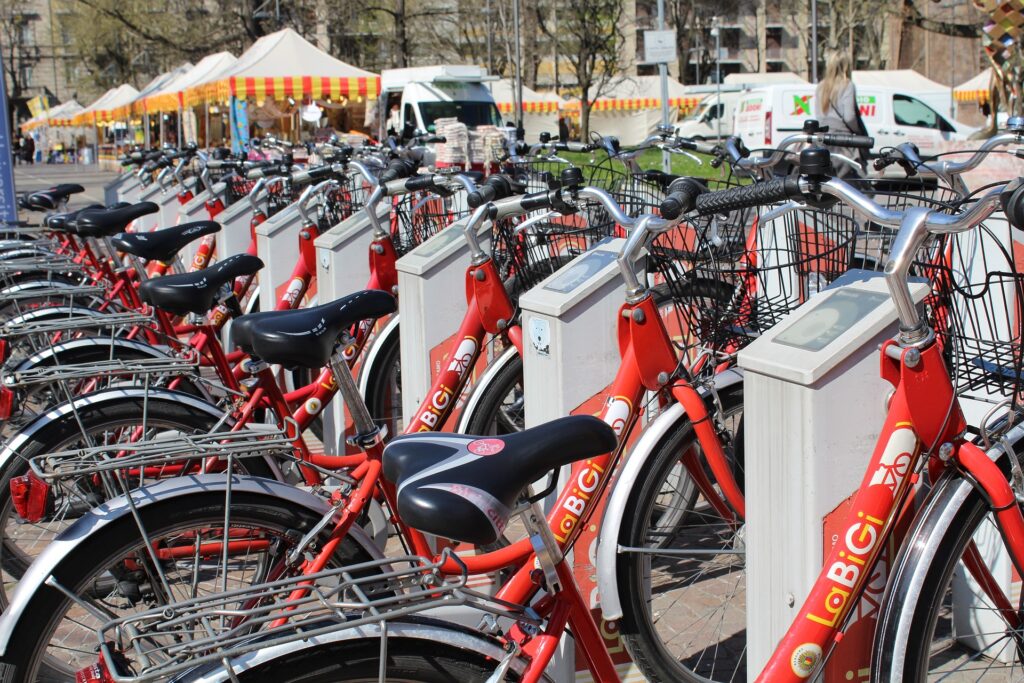
Shared mobility services such as car-sharing, bike-sharing, and ride-sharing also contribute to sustainible mobility by reducing the total number of vehicles on the road. These services allow people to access transportation without owning a car, which supports a more efficient sustainible mobility model.
Technology and Innovation
Technological innovation is accelerating the transition toward sustainible mobility. Smart traffic management systems, mobility apps, and data-driven urban planning tools help optimize transportation networks and reduce inefficiencies.
Autonomous vehicles may also play a role in future sustainible mobility systems by improving safety and traffic flow. When combined with shared mobility platforms, these technologies could transform how people move within cities.
Digital platforms that integrate different transport modes—such as buses, trains, bikes, and shared cars—are another promising development in sustainible mobility. These platforms make it easier for users to plan journeys and choose the most efficient routes.
Challenges to Sustainible Mobility
Despite its many benefits, implementing sustainible mobility is not without challenges. Infrastructure investments require significant funding, and transitioning from traditional transport systems can be complex.
Public acceptance is also essential. For sustainible mobility initiatives to succeed, citizens must be willing to adopt new habits and explore alternative transportation options.
Urban planning policies must support sustainible mobility by prioritizing compact city development, mixed-use neighborhoods, and reduced reliance on private vehicles.
Governments, businesses, and communities must collaborate closely to overcome these challenges and accelerate the adoption of sustainible mobility solutions.
The Future of Sustainible Mobility
Looking ahead, sustainible mobility will play a crucial role in shaping the cities of tomorrow. Climate targets, technological innovation, and changing lifestyles are all driving the demand for greener transportation systems.
Smart cities will increasingly rely on sustainible mobility frameworks that integrate public transport, active mobility, and clean energy solutions. As urban populations grow, the importance of sustainible mobility will continue to increase.
Education and awareness will also be vital in promoting sustainible mobility. By encouraging individuals to make environmentally conscious travel choices, societies can accelerate the transition toward sustainable transportation systems.
Ultimately, sustainible mobility represents more than a transportation strategy. It is a vision for healthier, more efficient, and more livable cities. Through continued investment, innovation, and collaboration, sustainible mobility can transform how people move and how cities function.