Culture and Heritage: The Richness of Our Roots
A nation’s culture and heritage are fundamental elements that define a people’s identity and perpetuate its history. Each country, region, or community brings with it a unique set of traditions, languages, arts, customs, and monuments, all factors that contribute to shaping the social and cultural fabric of a society.
Meaning of Culture and Heritage
Culture and heritage encompass everything created by humanity throughout history, including both tangible and intangible assets. Tangible assets include historic buildings, monuments, works of art, and artifacts, while intangible assets include traditions, languages, rituals, and artistic practices. Their preservation is essential to keeping collective memory and a community’s sense of belonging alive.
Culture and Heritage: Importance of Conservation
Culture and heritage must be protected and valued to ensure their transmission to future generations. Globalization and urbanization can pose significant threats, leading to the loss of local traditions and cultural homogenization. In this context, it is crucial to promote awareness and the importance of cultural diversity, encouraging communities to celebrate and preserve their heritage.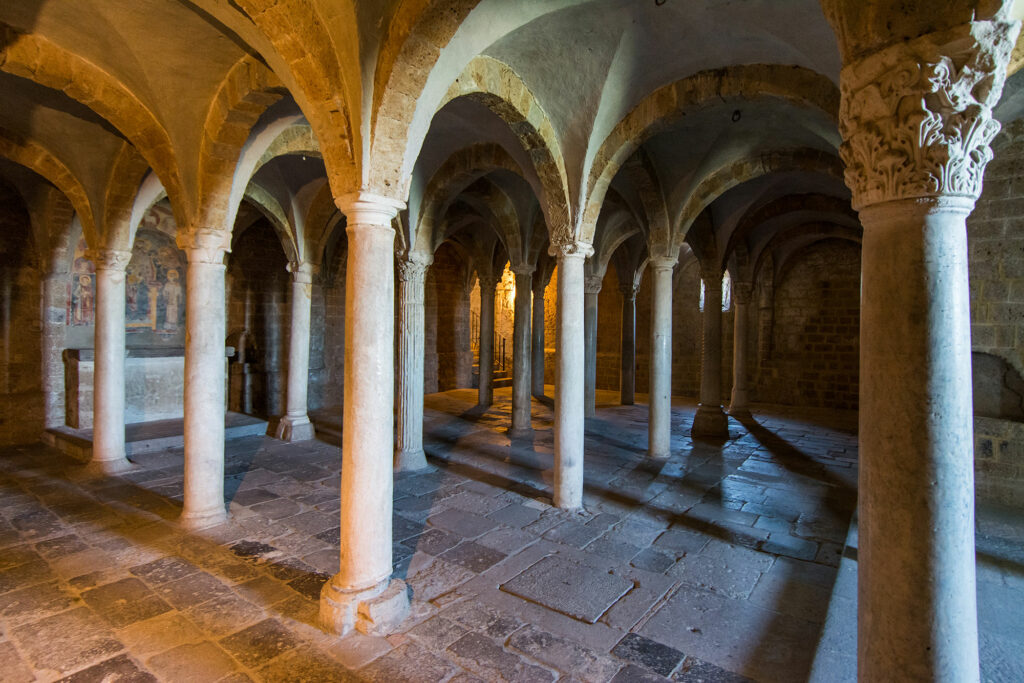
Reflection on Cultural Identity
Culture and heritage play a crucial role in strengthening a people’s cultural identity. Through culinary traditions, local festivals, performing arts, and languages, communities recognize and unite. These elements not only provide a sense of belonging, but also foster intercultural dialogue, promoting mutual understanding and respect.
Enhancement Activities
Promoting culture and heritage can be achieved through various activities. Cultural festivals, art exhibitions, food events, and historical reenactments are all initiatives that allow local traditions to be celebrated and shared. Furthermore, education plays a crucial role: schools and universities can help educate a new generation aware of the importance of cultural heritage.
Cultural Tourism
Cultural tourism is another significant form of cultural and heritage promotion. Visitors are attracted by local traditions, historical monuments, and typical cuisine. This type of tourism not only offers economic opportunities for local communities, but also allows for connections between people of different cultures, promoting dialogue and cultural exchange.
Conclusion
In short, culture and heritage represent the essence of every community, preserving the stories, traditions, and values that unite us. Their protection and enhancement are essential to keeping cultural identity alive and ensuring that future generations can appreciate and understand their roots. Investing in culture and heritage means investing in a richer and more informed future, where cultural diversity is celebrated and respected. It is a commitment that involves all of us, ensuring that our stories live on over time.